
…As AWAMN call for Infrastructure Support Payment Options
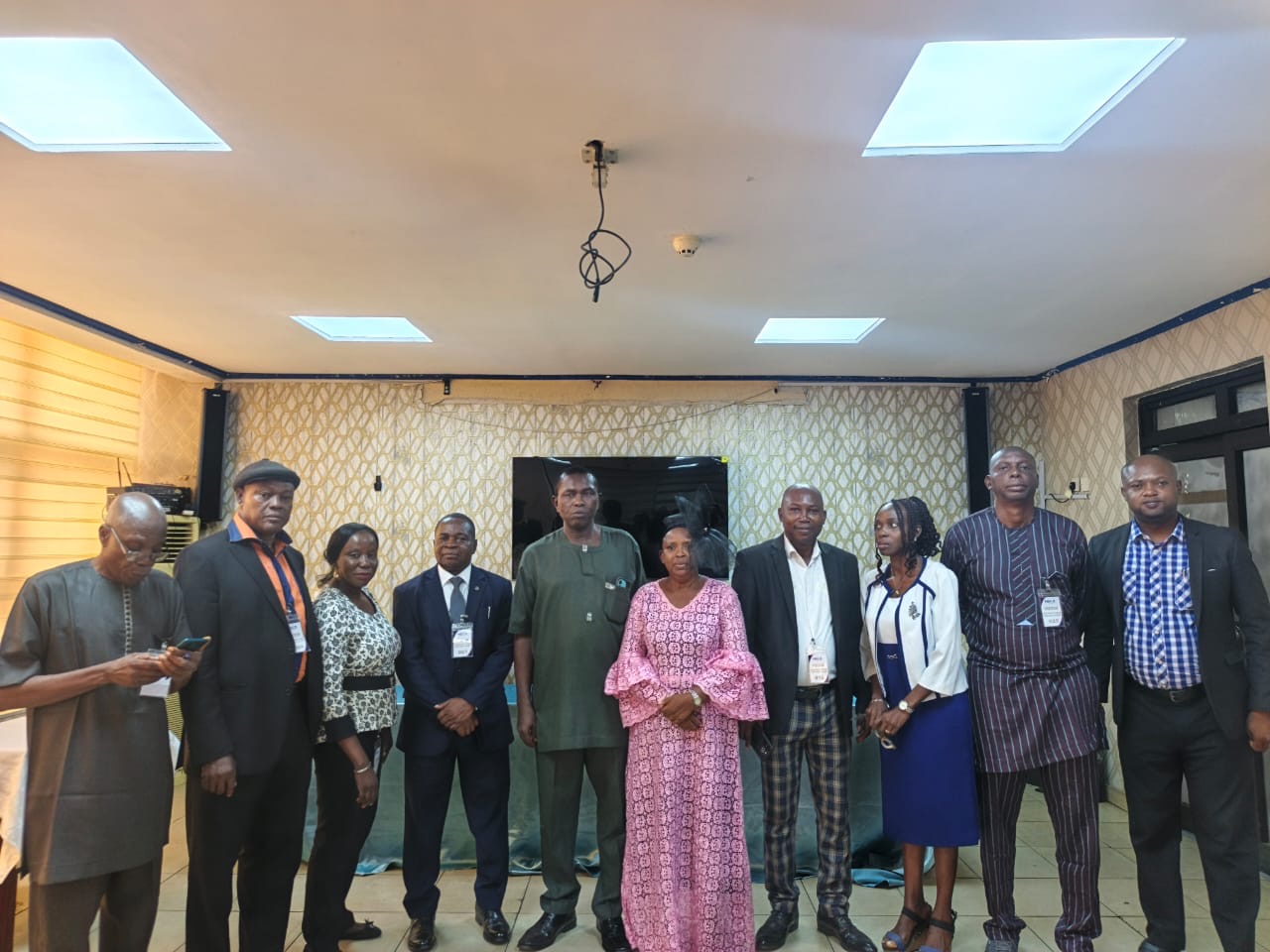
Experts in the Environment sector have called for stronger collaboration, policy enforcement and public participation to improve waste management in Lagos State. They spoke at the annual conference of the Property and Environment Writers Association of Nigeria (PEWAN) with the theme “Waste Management: Challenges, Policy Framework and Solution for Sustainable Megacity”.
Speaking, the Managing Director of the Lagos Waste Management Authority (LAWMA), Muyiwa Gbadegesin, emphasised that effective waste management in Lagos requires shared responsibility among residents, operators, and government.
Gbadegesin described waste management as a critical urban governance issue with far-reaching implications for public health, flood control, environmental sustainability, and the overall functionality of the city.
He explained that household waste collection across Lagos was carried out by licensed Private Sector Participant (PSP) operators under a structured, area-based system regulated and monitored by LAWMA, noting that over 450 operators currently serve communities across the state.
He stressed that the effectiveness of the system depended not only on operational efficiency but also on the cooperation of residents in adopting proper waste disposal practices and patronising assigned PSP operators.
Gbadegesin, represented by the Executive Director, Finance, Mr. Kunle Adebiyi, described waste management as critical to public health, environmental sustainability and flood control.
He warned that indiscriminate dumping of refuse and the patronage of illegal cart pushers continued to undermine structured waste management efforts and contributed to environmental challenges such as blocked drainage and flooding.
The LAWMA chief added that as a coastal and highly urbanised city, Lagos must adopt a more disciplined and forward-looking approach to waste management, noting that improperly handled waste often ended up in canals, lagoons, and other water bodies.
He further said that beyond evacuation, the state was gradually promoting more sustainable waste practices, including waste sorting, recycling, and resource recovery, as part of a broader shift towards a more efficient and value-driven waste management system.
According to him, this approach reflected a growing recognition that waste should not be seen solely as a disposal problem but also as a resource that could support economic activity and environmental sustainability when properly managed.
He also highlighted ongoing efforts to strengthen system efficiency through improved monitoring, operational interventions, and better coordination among PSP operators and other stakeholders in the waste management value chain.
He underscored the role of the media in shaping public behaviour and perception, urging journalists to provide more context in reporting waste management issues and to promote responsible environmental practices.
Also speaking, Dr Olugbenga Adebola, the President of the Association of Waste Managers of Nigeria (AWAMN), stressed the need for sustained collaboration among stakeholders.
Adebola described waste management as a collective responsibility, noting that effective waste handling was directly linked to public health and environmental safety.
He explained that poor waste management contributes to diseases such as malaria, cholera and Lassa fever through blocked drainage, pest infestation and environmental pollution.
Adebola warned that open burning of waste releases toxic and carcinogenic substances, posing serious health risks, including respiratory illnesses and cancer.
He also highlighted the dangers of plastic waste, noting that mismanaged plastics break down into micro plastics that contaminate water bodies and enter the food chain.
Adebola said Lagos generates over 20,000 metric tonnes of waste daily, driven by rapid urbanisation and